If you’ve been referred for a procedure, you might find yourself navigating a sea of titles: “General Dentist,” “Dental Surgeon,” and “Oral and Maxillofacial Surgeon.” While they all care for your smile, the level of training and the scope of surgery vary significantly. Understanding the difference between an oral and dental surgeon is the first step in ensuring you receive the specialized care your specific case requires.
The Dental Surgeon: Your Frontline Caretaker
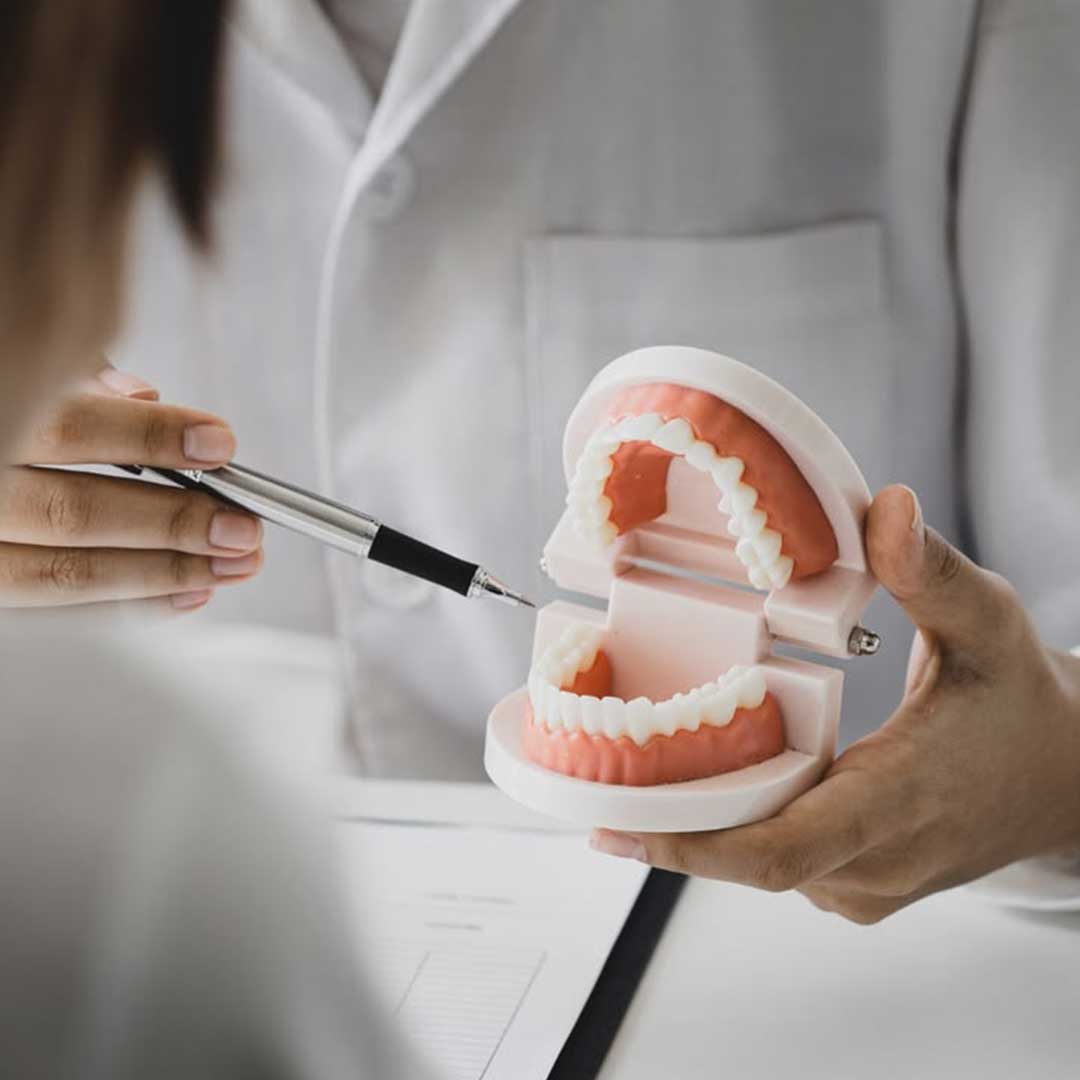
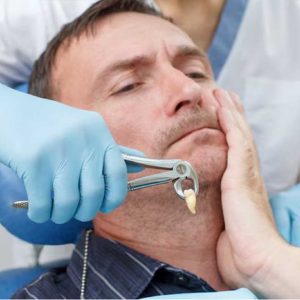
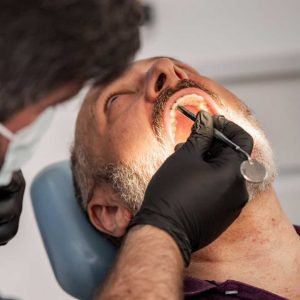
Most people use the term “dental surgeon” to describe a general dentist who performs basic surgical procedures. After completing four years of dental school, these professionals are highly skilled at maintaining oral health.
In a general practice setting, a dental surgeon typically handles:
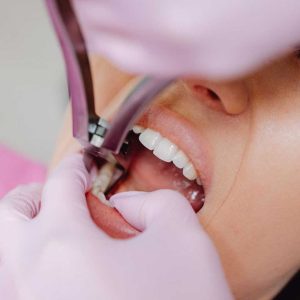
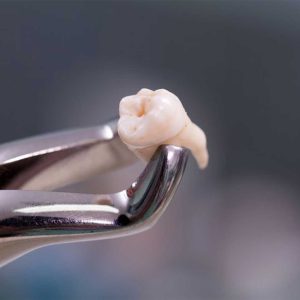
Simple Extractions: Removing teeth that have fully erupted through the gum line.
Basic Fillings and Crowns: Restoring the structure of a tooth.
Root Canals: Treating the soft tissue (pulp) inside a tooth.
While many dentists are excellent at these procedures, their training is primarily focused on the teeth and gums rather than the complex underlying bone and facial structures.
The Oral and Maxillofacial Surgeon: The Specialist
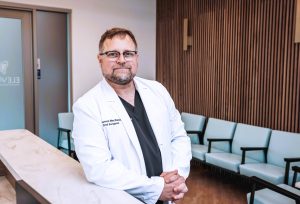
An Oral and Maxillofacial Surgeon is a specialist who has completed an additional 4 to 6 years of hospital-based surgical residency after dental school. This rigorous training is comparable to that of a plastic surgeon or an orthopedic surgeon, but focused entirely on the “maxillofacial” complex—the mouth, jaws, and face.
At Elevated Oral Surgery, our specialists handle the “tricky” cases that go beyond general dentistry, including:
Complex Wisdom Teeth Removal: Managing teeth that are trapped under the bone (impacted).
Dental Implants: Precisely placing titanium posts into the jawbone to replace missing teeth.
Corrective Jaw Surgery: Realigning the jaw to fix bite issues or sleep apnea.
Facial Trauma & Reconstruction: Repairing injuries to the facial bones and soft tissues.
Comparison at a Glance
Why the Distinction Matters for Your Recovery
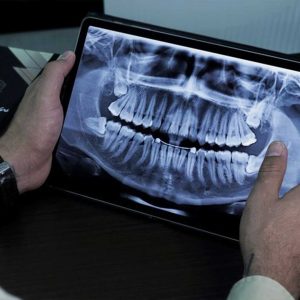
The biggest difference for a patient often comes down to precision and comfort. Because an Oral and Maxillofacial Surgeon specializes in surgery every single day, they utilize advanced tools like 3D CBCT imaging to map out your nerves and bone structure with sub-millimeter accuracy.
Furthermore, a specialist is uniquely qualified to offer IV sedation in a monitored, surgical-grade facility. This allows you to “sleep” through the procedure, which is especially beneficial for patients with dental anxiety or those requiring more invasive work. For those looking for a seamless healing process, we also offer therapeutic options like Botox for TMJ in San Diego to relax the jaw muscles post-surgery.
When Should You See a Specialist?
If your procedure involves bone, impacted teeth, or the need for dental implants, seeing an Oral and Maxillofacial Surgeon is the “Gold Standard.” It ensures that you aren’t just getting a tooth pulled—you are getting a surgical procedure managed by a professional who understands the entire anatomy of your face.
Ready to get the specialist care you deserve? Book Your Consultation at our San Diego office today or call Elevated Oral Surgery at (858) 788-9788 to schedule your evaluation with a board-certified expert.