At Elevated Oral Surgery San Diego, we want your recovery to be as comfortable and efficient as possible. Following these detailed guidelines will help you manage pain, minimize swelling, and ensure proper healing after your procedure.
Your Critical First Hour
For the first hour immediately following your surgery, you must bite down gently but firmly on the gauze packs placed over the surgical sites. It is vital that you do not spit, drink, or remove the gauze until this hour has passed. Once the hour is up, you may remove the gauze and have something to eat or drink. This is also the ideal time to take your first dose of ibuprofen and, if needed, one-half of your prescribed Norco®. Afterward, replace the gauze every 30–45 minutes until your bleeding has fully stopped.
Managing Post-Operative Bleeding
Expect some continued bleeding or a red tint to your saliva for up to 24 hours. Gently biting on gauze applies the necessary pressure to encourage the bleeding to taper off. As you move through the afternoon and evening, continue changing the gauze every 30–45 minutes. Each time you place a new piece, commit to keeping it in place for that full duration without spitting or drinking, as a blood clot is actively forming. To prevent stains, we recommend placing an old towel or T-shirt over your pillow while you rest.
Understanding Numbing and Anesthetic
The local anesthetic used during your surgery will gradually wear off over 4–6 hours. It is normal to feel some lingering numbness for the remainder of the day. Because your mouth is numb, you may not feel extreme temperatures; please have someone else test the temperature of your food or drinks to avoid accidental burns.
Nutrition and Hydration Tips
We advise sticking to soft foods for the first several days. Ideal options include soups, ice cream, milkshakes, mashed potatoes, scrambled eggs, yogurt, and applesauce. You are only limited by your own discomfort; you may advance your diet as you feel ready, provided you use the recommended mouth rinse after meals to keep the surgical sites clear of food debris.
Monitoring Swelling and Pain
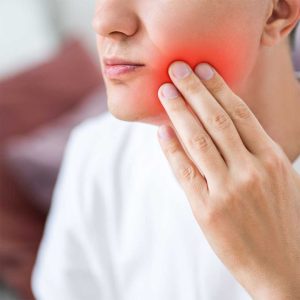
Swelling is a natural response and typically peaks about 48 hours after your procedure. It will then gradually subside over the following 5–7 days. While our team and prescribed medications are geared toward keeping your soreness tolerable, please understand that some pain is a normal part of the recovery process. Most patients who use medications exactly as prescribed heal without any issues.
Using Ice and Heat Therapy
To help curb swelling, apply ice packs to the area for the first 12–24 hours. After this initial period, many patients find that switching to heat pads or moist heat provides better comfort. Either application is acceptable as long as it provides you with pain relief.
Preventing Post-Surgical Nausea
Pain medications can sometimes cause nausea. To prevent this, always take your medication with a small amount of food. Our surgeons suggest starting with only half of a pain pill to see how you tolerate it, and only using narcotic medications if they are absolutely necessary.
Maintaining Oral Hygiene
You can gently brush your teeth starting the evening of your surgery. However, be careful to avoid the surgical sites directly; instead, allow the prescribed antibiotic mouth rinse to clean those specific areas.
Identifying Sharp Edges and Bruising
If you feel something hard or sharp near the extraction site, don’t worry—it is likely the bony walls of the socket or small slivers of bone working their way through the gum tissue. This is a normal part of the healing process as the gums solidify. Additionally, bruising may occur and can travel down into the jawline and neck. This generally resolves slowly over 10–14 days.
The Typical Healing Timeline
The first two days are usually the most uncomfortable. By days 3 and 4, you should notice a decrease in swelling and a return to a more substantive diet. By the end of the first week, most patients are back to 75% of their normal diet, and by the end of the second week, you can typically enjoy crunchy foods again. If you experience persistent jaw tension during recovery, some patients find a Botox for TMJ procedure in San Diego helpful for long-term comfort.
Ready to Elevate Your Care?
If you have any questions about your progress or need further assistance, our team is here to help you every step of the way. Book Your Appointment with Elevated Oral Surgery San Diego today or call us at (858) 788-9788!