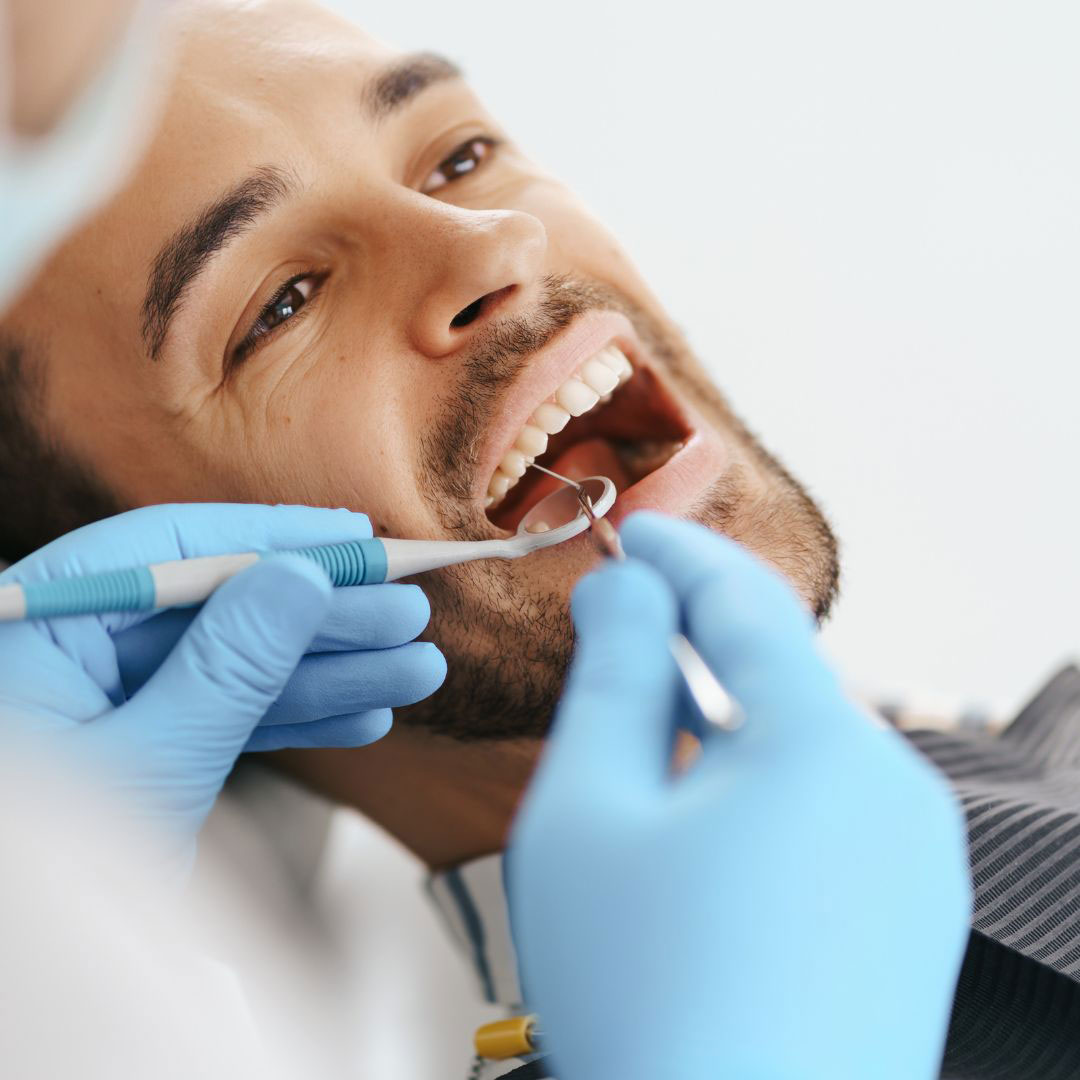
When you’re facing a procedure like a wisdom tooth extraction or a dental implant, you might hear the terms “dental surgeon” and “oral surgeon” used interchangeably. However, in the world of specialized medicine, there are critical distinctions between the two. Understanding these differences is essential for ensuring you receive the highest standard of care at Elevated Oral Surgery San Diego.
Defining the Terms: Dental Surgeon vs. Oral Surgeon
The term “dental surgeon” is often used broadly to describe a general dentist who performs surgical procedures, such as simple extractions or basic gum surgery. While all dentists are trained in minor surgical techniques during dental school, an Oral and Maxillofacial Surgeon is a specialist who has gone significantly further. At Elevated Oral Surgery San Diego, our expertise is led by specialists who have dedicated years beyond dental school to mastering the complexities of the entire facial structure.
The Rigor of Specialized Training
The most significant difference lies in education. A dental surgeon completes four years of dental school to earn a DDS or DMD degree. In contrast, an oral surgeon must complete an additional 4 to 6 years of a hospital-based surgical residency. This intensive training includes rotations in general surgery, internal medicine, and emergency care. This advanced background allows oral surgeons to manage not just the teeth, but the bone, muscle, and nerve pathways of the head, neck, and jaw.
Scope of Practice and Complexity
While a dental surgeon handles routine care like fillings, crowns, and simple extractions, an oral surgeon is the primary choice for complex cases. This includes impacted wisdom teeth, bone grafting, corrective jaw surgery (orthognathic surgery), and facial trauma reconstruction. Because of their hospital-based residency, oral surgeons are also uniquely qualified to perform biopsies and treat oral pathology, such as tumors or cysts, ensuring a comprehensive approach to your health.
Advanced Anesthesia and Patient Comfort
One of the hallmarks of an oral surgery practice is the ability to provide advanced anesthesia. While most dental surgeons primarily use local numbing or mild “laughing gas,” oral surgeons are extensively trained in all levels of sedation, including IV sedation and general anesthesia. This allows patients to undergo complex procedures in a state of complete relaxation and safety. At our San Diego office, we prioritize a “surgical-grade” environment that balances clinical safety with patient comfort.
Therapeutic Solutions Beyond Extractions
Modern oral surgery also encompasses therapeutic treatments that general dental surgeons may not offer. For example, if you suffer from chronic jaw pain or teeth grinding, a Botox for TMJ procedure in San Diego can provide significant relief by targeting the specific masseter muscles. By choosing a specialist who understands the interplay of facial anatomy and muscular function, you ensure a safer and more effective outcome.
Choosing the Right Professional for Your Needs
If your dental needs involve complex surgery, anesthesia, or structural jaw issues, seeking a board-certified oral and maxillofacial surgeon is the gold standard. Your general dentist is your primary partner for preventive care, but for specialized surgical intervention, the expertise of a surgeon is irreplaceable. We work closely with San Diego’s top dentists to provide seamless, coordinated care for every patient.
Elevate Your Standard of Care
Don’t leave your surgical outcomes to chance. At Elevated Oral Surgery San Diego, we combine decades of experience with the latest surgical technology to provide world-class results. Whether you need an implant consultation or specialized TMJ therapy, our team is ready to help. Request an Appointment today and experience the “Elevated” difference in specialized care.